
Urchin Dye &Sunflower Star Lab Tour · August 30
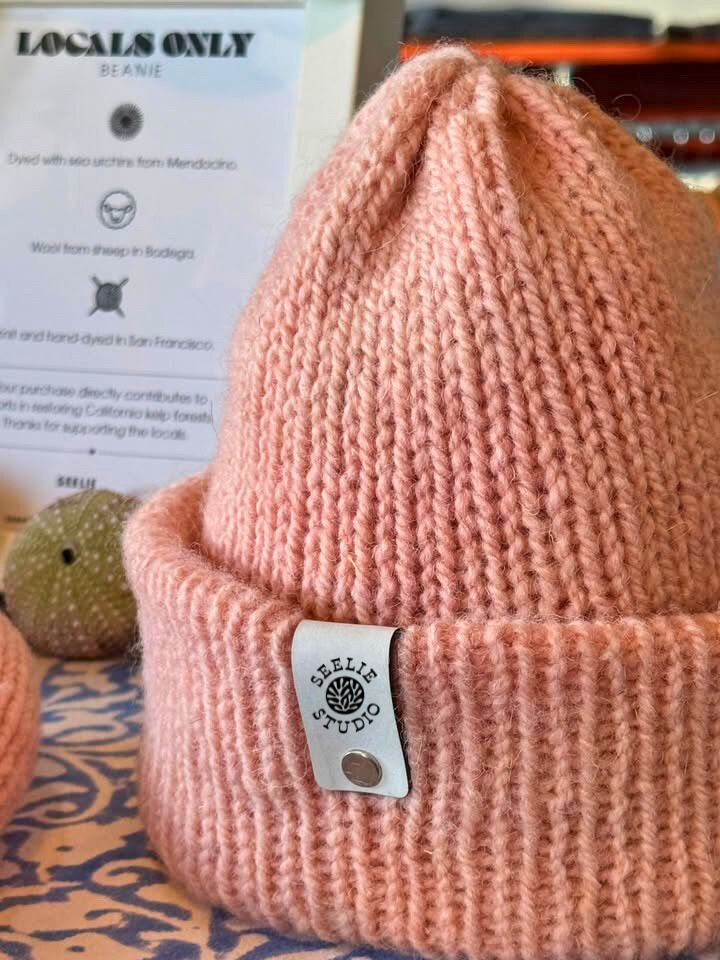
Beanie ($180) Scarf ($150) or BYO ($120)
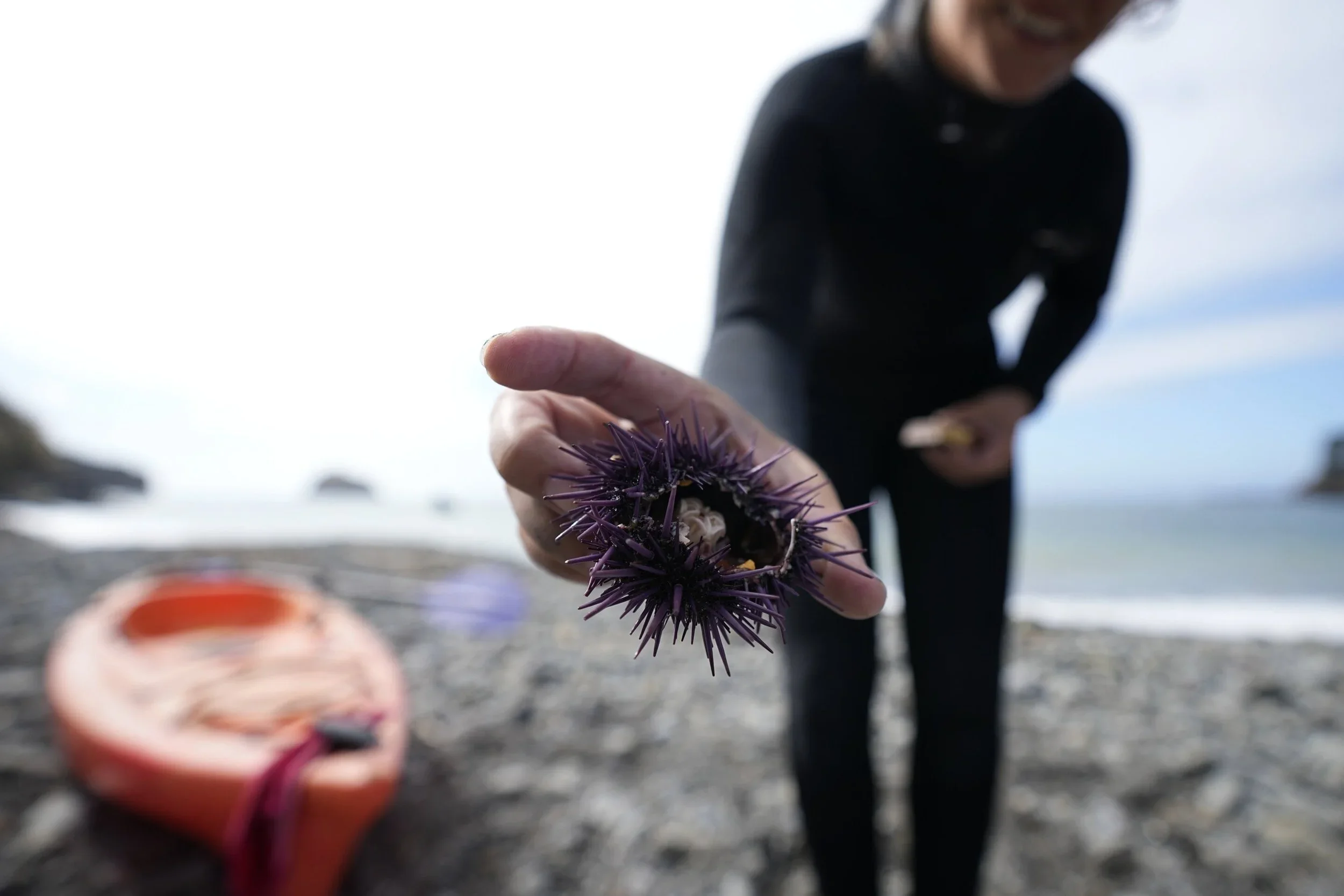
Join us for a hopeful day of creating natural dye from the overpopulation of purple sea urchins and a private tour of alab that’s growing baby sunflower sea stars.
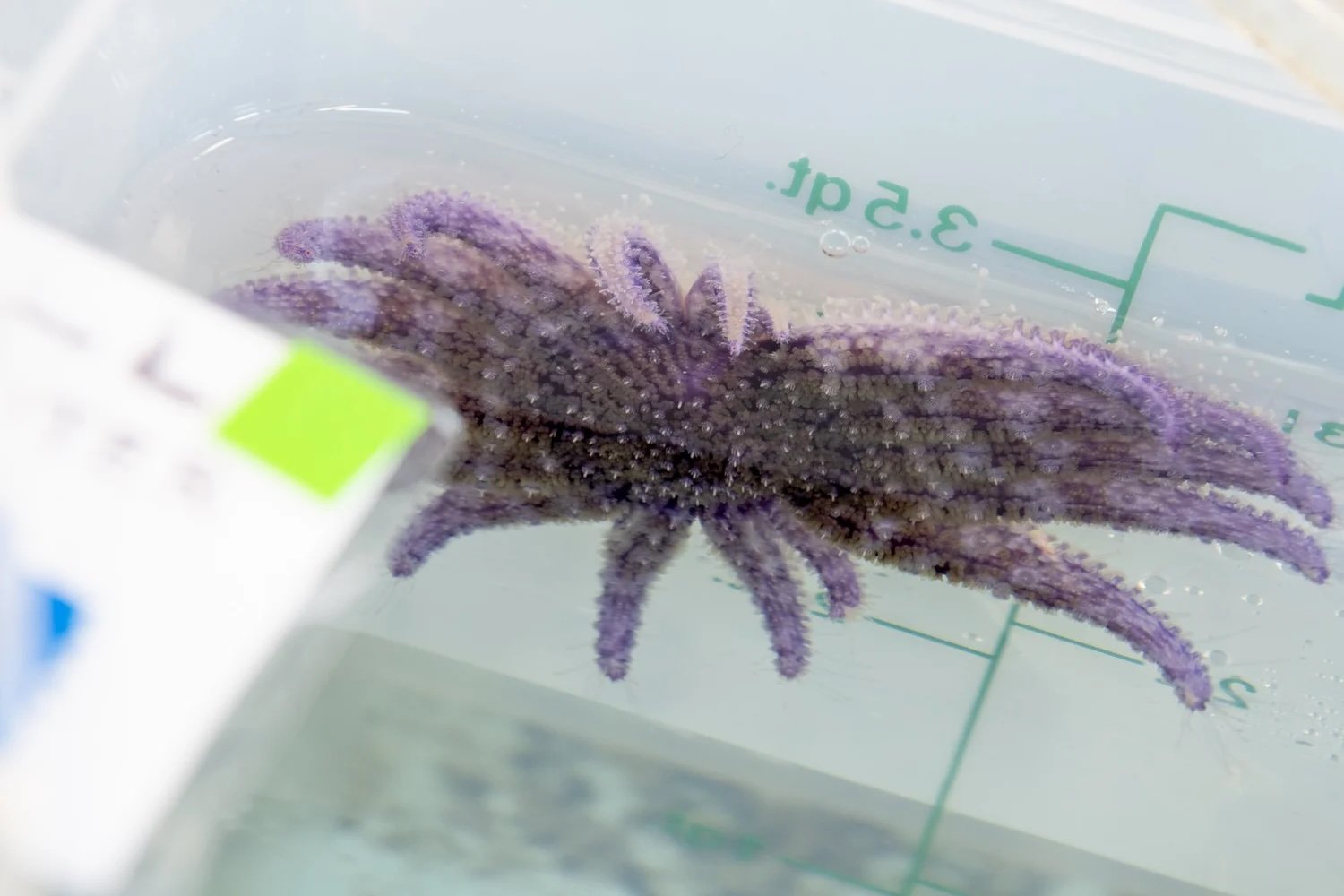
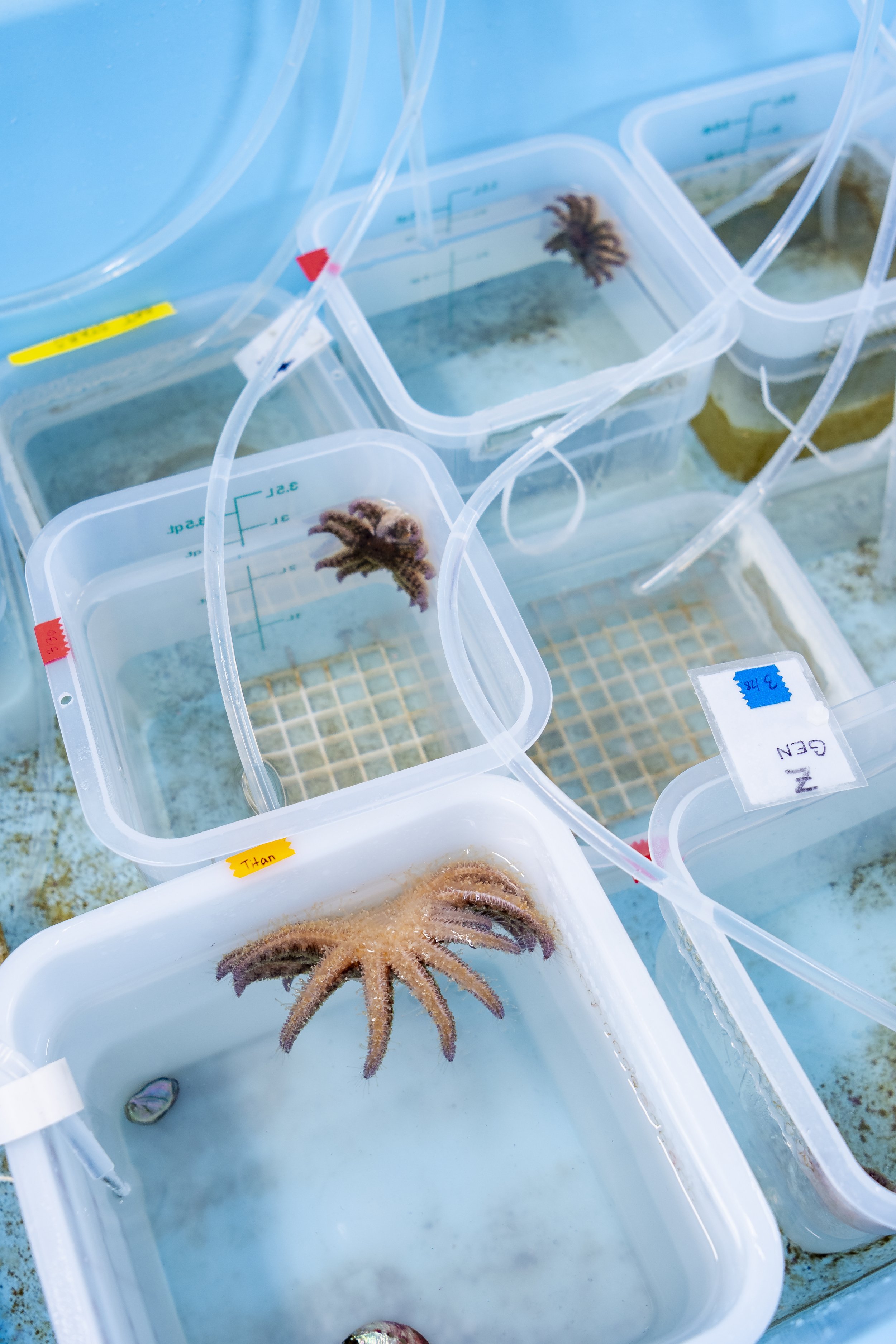
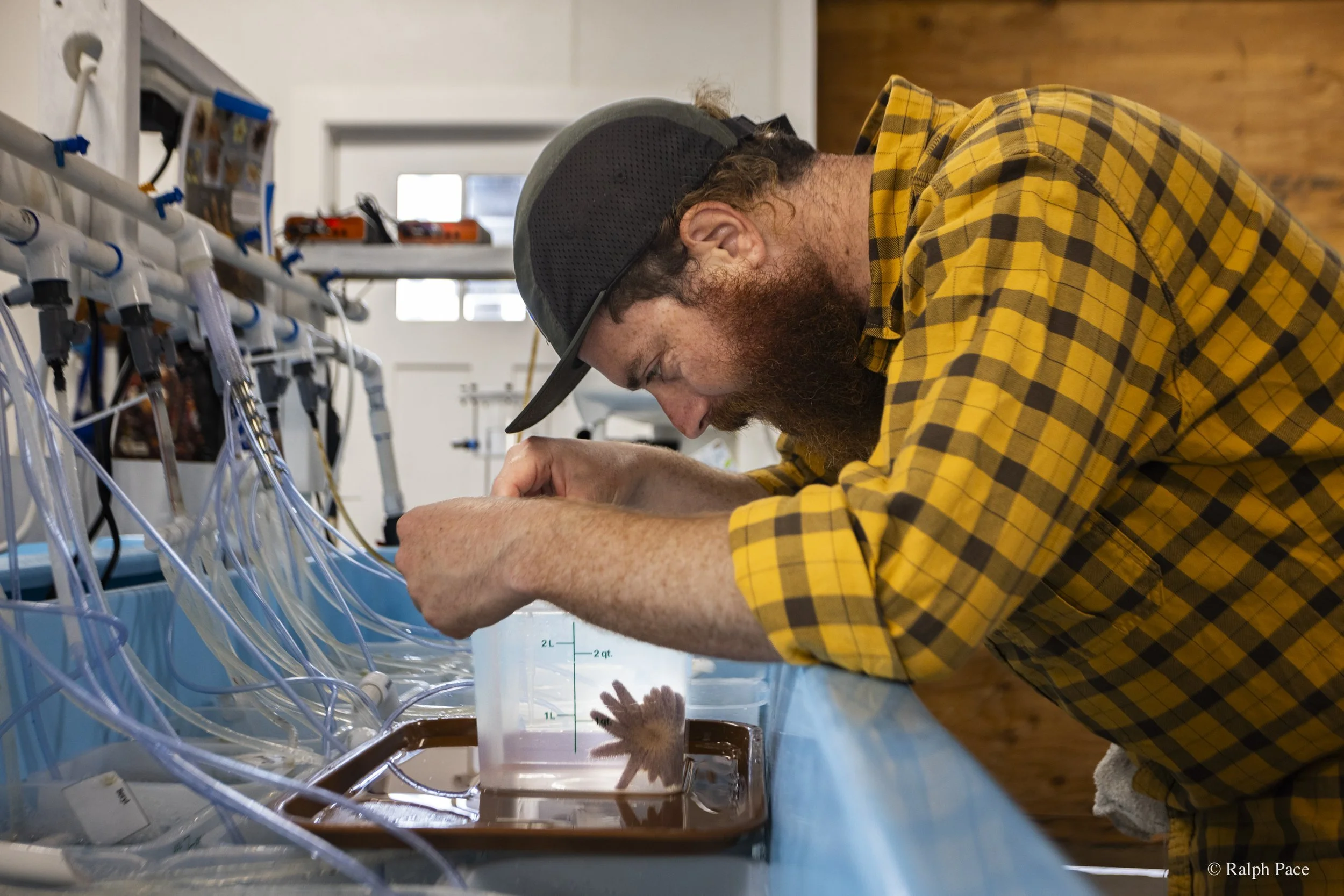
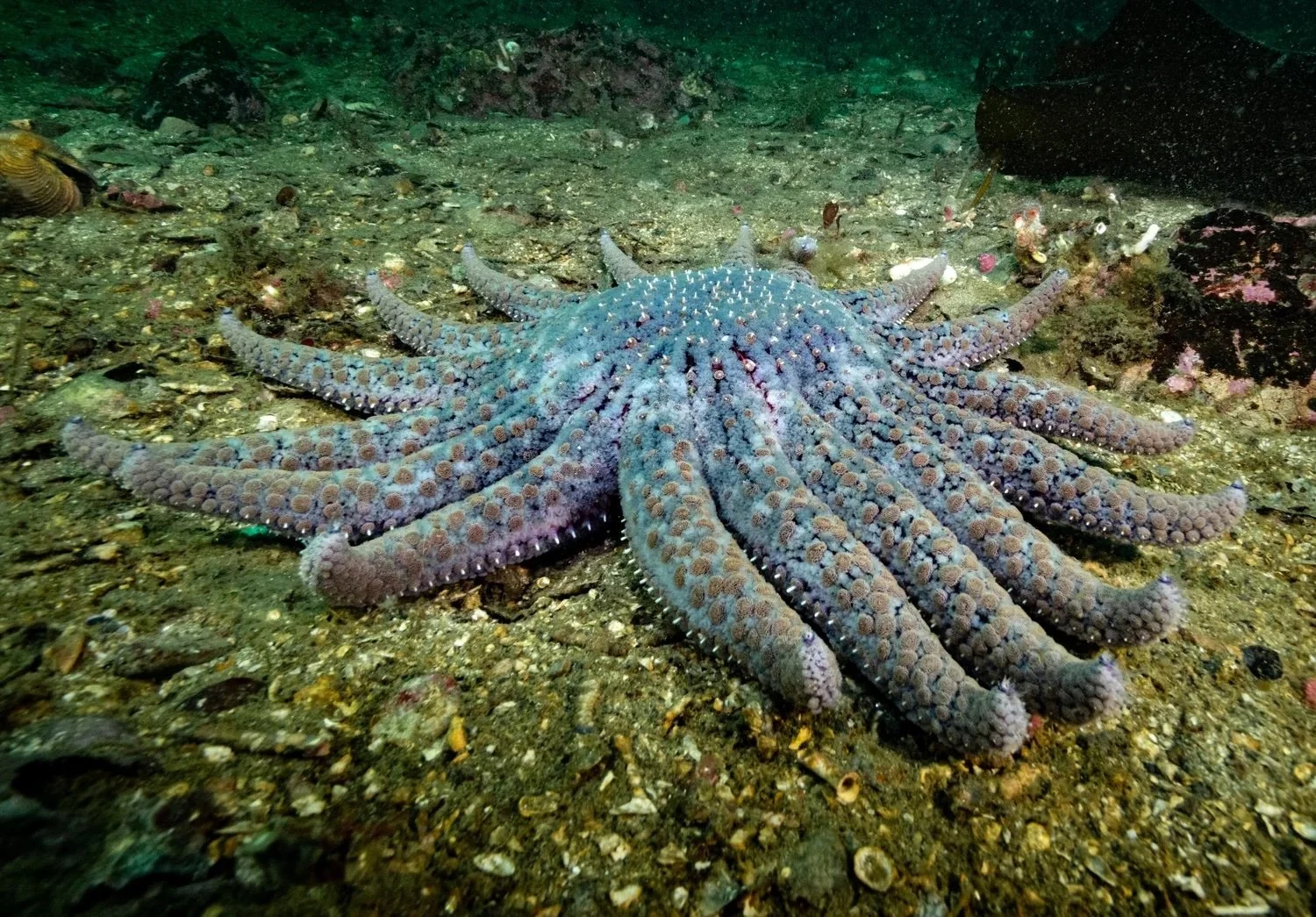
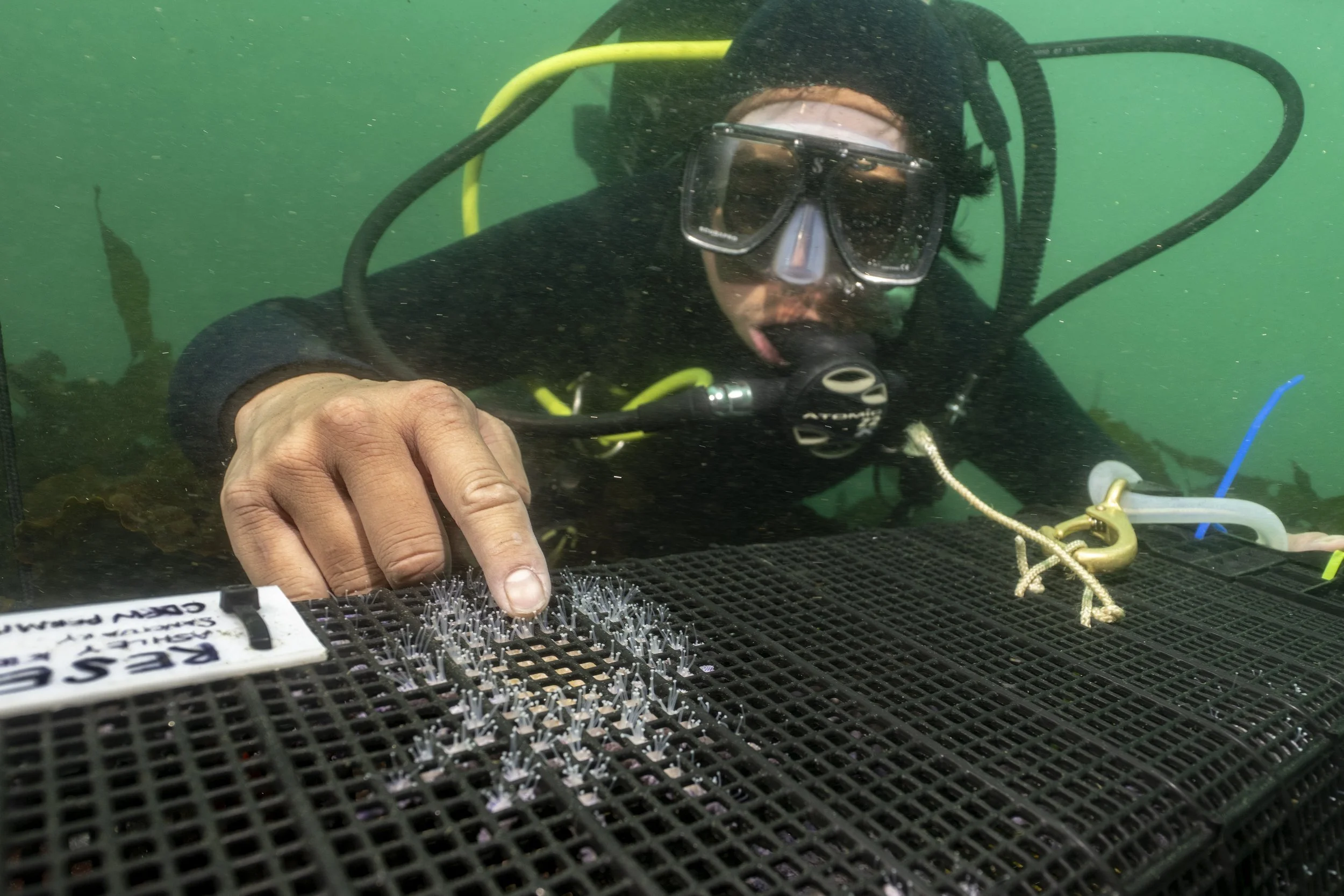
“Sunflower stars are key predators that help protect kelp forests from urchin overgrazing,” according to the SSL site. “Sunflower Star Laboratory leads research and conservation to recover the sunflower star, building kelp forest resilience with our communities.” On our private tour of the lab, we’ll see, “Three independent saltwater recirculating systems, complete with filtration systems, water pumps, and chillers.” And their Algae Room. You’ll meet some of the stars that were born on Valentines Day, known as the “Cupid Cohort.”
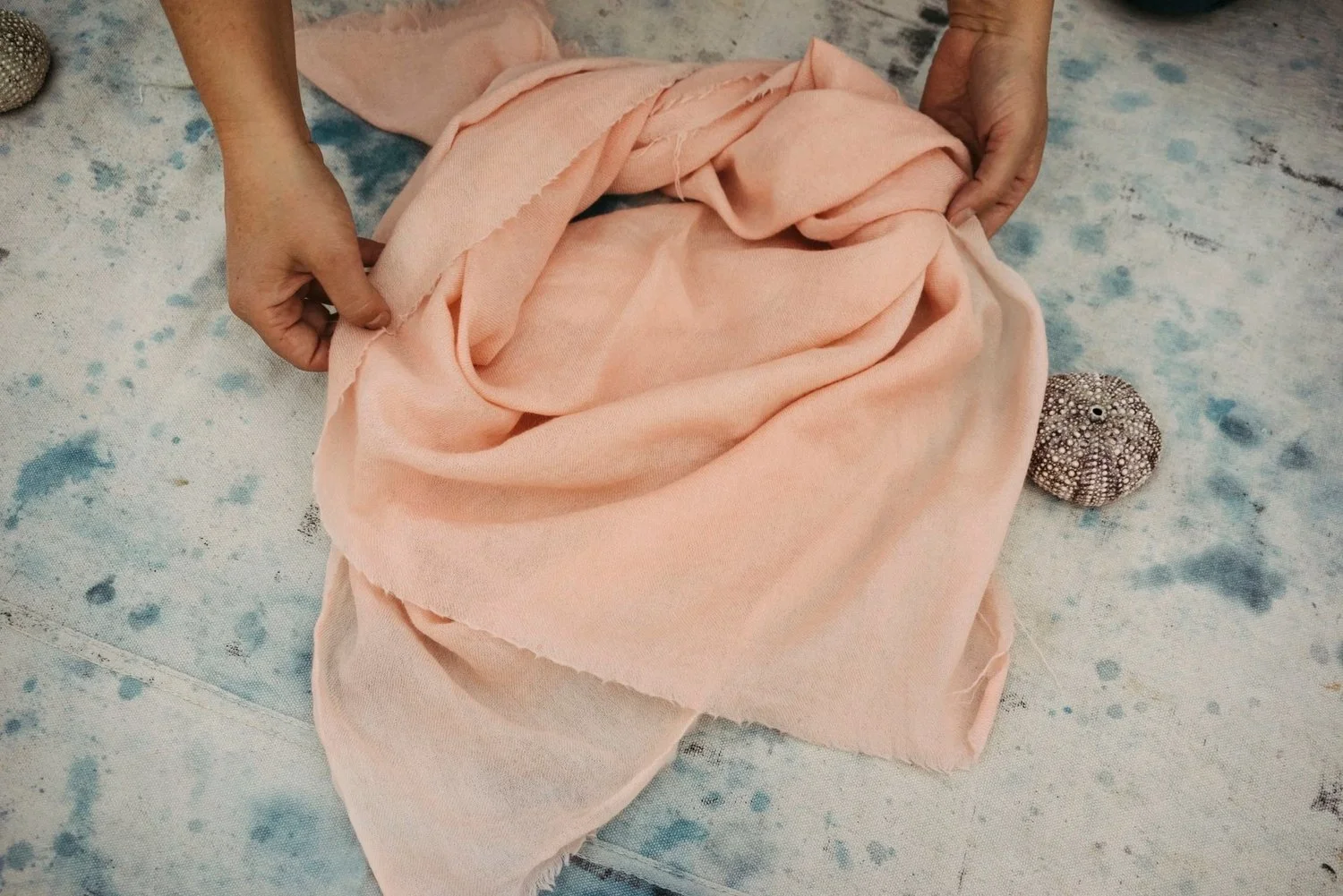
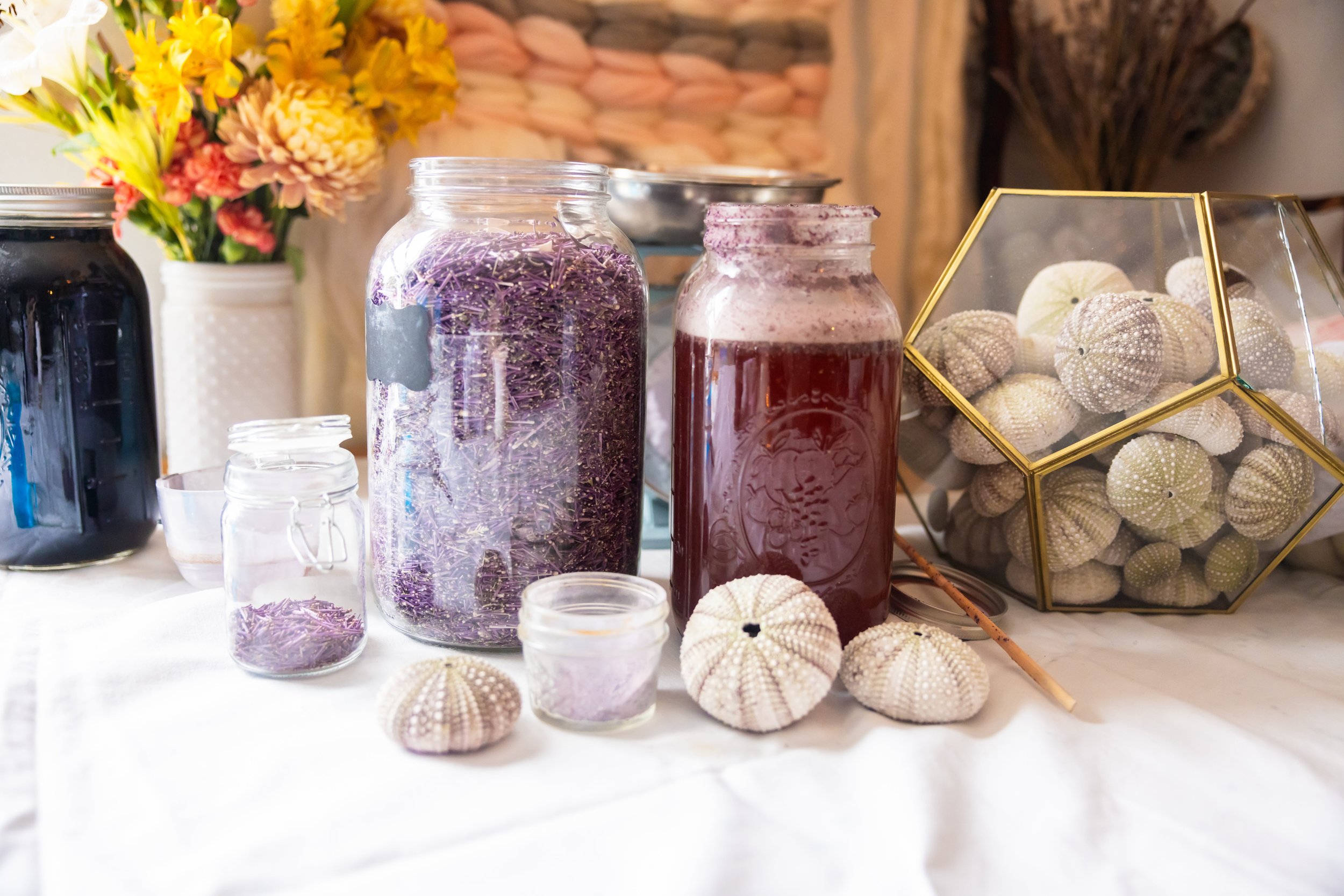
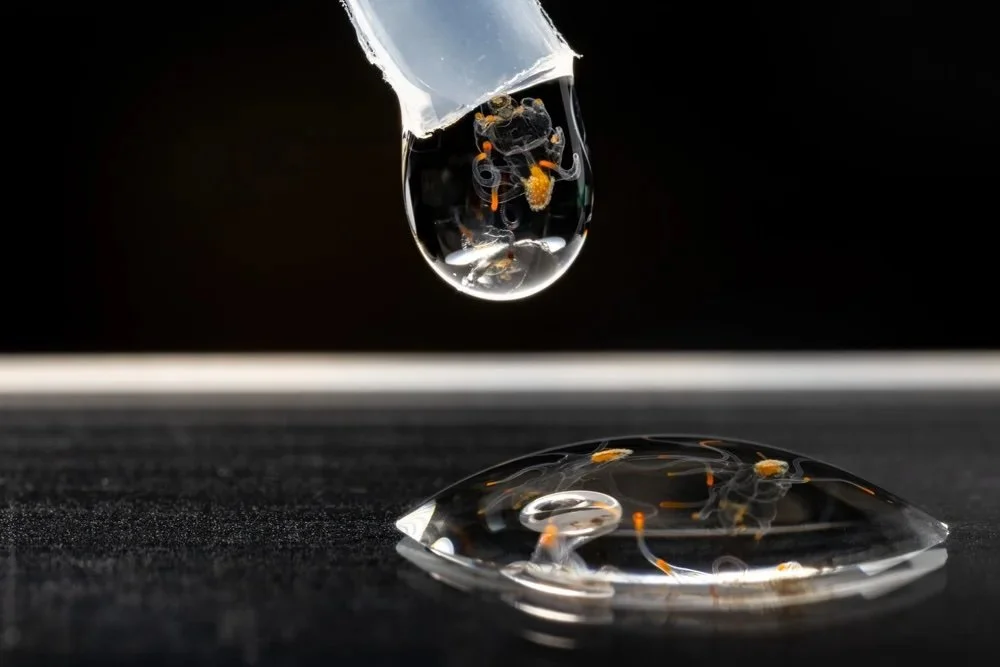
Back at Elkhorn Yacht Club, you’ll learn how to turn an ecological disaster into a colorful wonder. At your own dye station, you’ll mix your urchin dye, learn about the chemistry behind this unique dye bath, and dye an item of your choice. For the first time, Seelie Studio is offering a range of dyeable options, including a Climate Beneficial Verified beanie or scarf, or you can bring your own wool (see guidance below).
All skill levels are welcome!
Date: Sunday, August 30
Time: 10:00am – 2:00pm
Locations: Elkhorn Yacht Club and Sunflower Star Laboratory

Anyone under 18 years of age must be accompanied by an adult.
Please review our Terms and Cancellation Policy before booking.
Did you select Bring Your Own (BYO) fabric?
Here’s what you need to know:
You will have enough dye for about one pound of fabric (about 3 t-shirt-sized items).
Natural dye, like urchin dye, is not compatible with synthetic fibers like polyester, nylon, or anything human-made.
Sea urchin dye LOVES wool! Silk is also compatible but can fade with multiple washes. Cellulose fibers, like cotton and linen, do not hold the dye very well.
You do not need to scour and mordant your wool. If you plan to dye silk, scouring is a good idea, but optional.
Some fabrics that are fun to urchin dye: yarn, as long as there are no synthetic fibers blended into the wool/silk. Fabric swatches for future quilting projects. Small wool items like a child’s sweater.
Some of our favorite places to source eco-conscious wool:
Why urchin dye?
Purple sea urchins have eaten 95% of the kelp along the California coast.
The urchins are not the villains; rather, human-caused climate change created the “urchin problem.”
Kelp forests can sequester up to 20 times more carbon per unit area than land-based forests.
Kelp is home to thousands of different oceanic species.
Creating natural dye from sea urchins creates an incentive for the removal of sea urchins from the oceans.
Urchin dye is a way of honoring these magnificent creatures rather than discarding them.